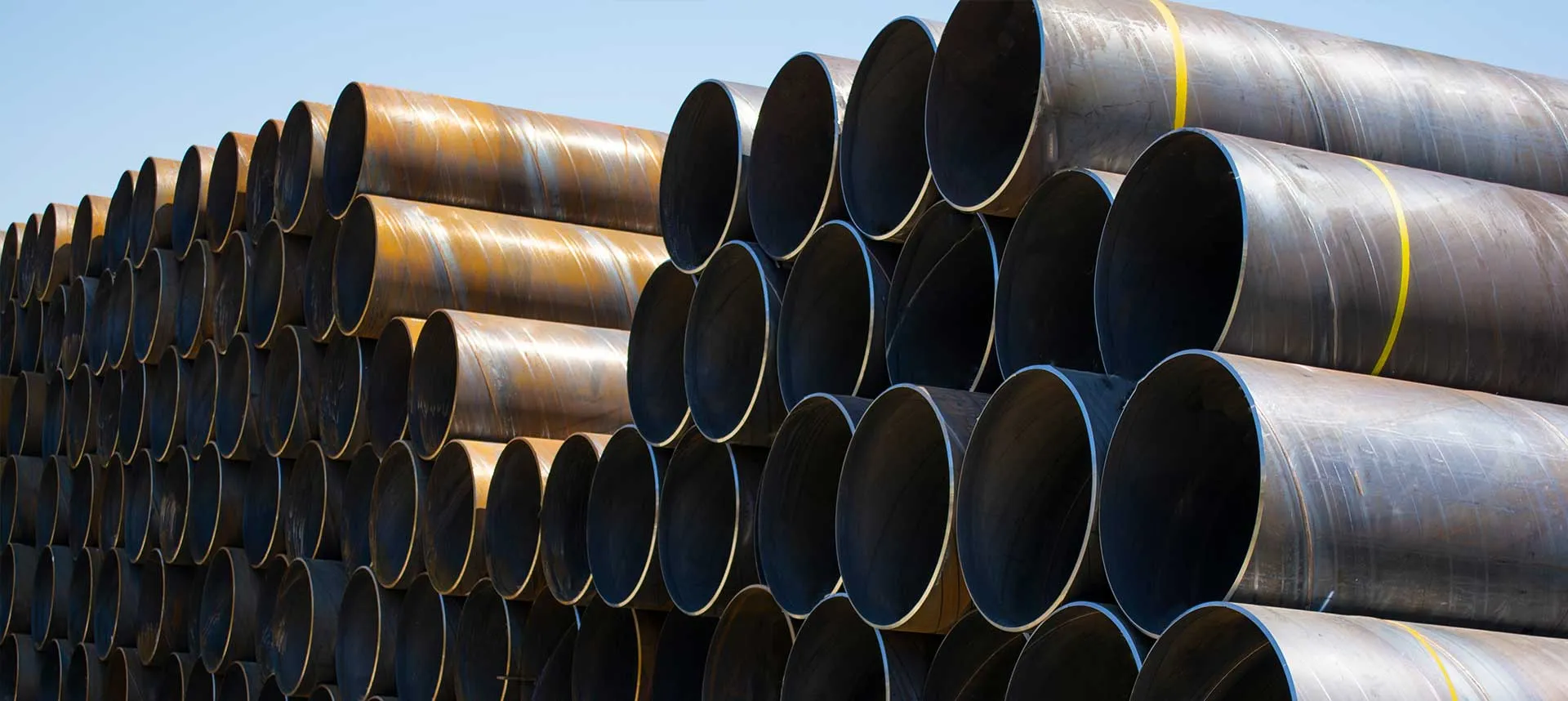
Accurate pipe length calculations support smooth installation, reduce material waste, and help projects stay within budget. A small measurement error can lead to extra cutting, unwanted joints, or fitting delays. Good calculations start with clear project drawings, site measurements, and pipe specifications. To ensure dependable material selection, it is best to work closely with carbon steel pipe suppliers in UAE.
Understand the project measurements
Start by reviewing the approved drawings and piping layout. Identify every straight section, bend, connection, and termination point. Measure the actual distance between connection points instead of relying only on estimated dimensions. Site conditions can differ from preliminary drawings, so field measurements give a more reliable basis for ordering. Record measurements in one unit, such as millimeters or meters. Mixing units during calculations can produce serious errors. Keep a measurement sheet that lists each pipe section separately, along with its required length and location.
Account for fittings and connections
Pipe length does not always match the full distance shown between two points. Elbows, flanges, valves, tees, and other fittings occupy space within the piping assembly. Their dimensions affect the straight pipe section. Use the fitting dimensions listed in approved technical data. Subtract the required fitting allowances from the overall centerline measurement. This calculation gives the actual pipe length for fabrication or installation.
Consider cutting and joining
Long pipe sections may require cutting before installation. Mark every cut based on the fabrication drawing and connection details. Add a reasonable cutting allowance when the fabrication process requires it. For welded systems, consider the joint arrangement and bevel preparation. Threaded systems also require allowance for the threaded portion. These details help technicians achieve the required finished dimension after fabrication.
Check thermal movement
Temperature changes can affect piping dimensions, particularly across long industrial lines. Review the project specifications for thermal expansion requirements. Expansion loops, bends, and flexible connections can influence the final pipe arrangement. Use the specified engineering data to account for expected movement. This step supports accurate fabrication and reduces dimensional problems during installation.
Verify before placing the order
Review every calculated length against the latest approved drawing and site measurement. Check pipe diameter, wall thickness, grade, connection type, and quantity at the same time. A final review catches mismatched dimensions before materials reach the fabrication stage.
