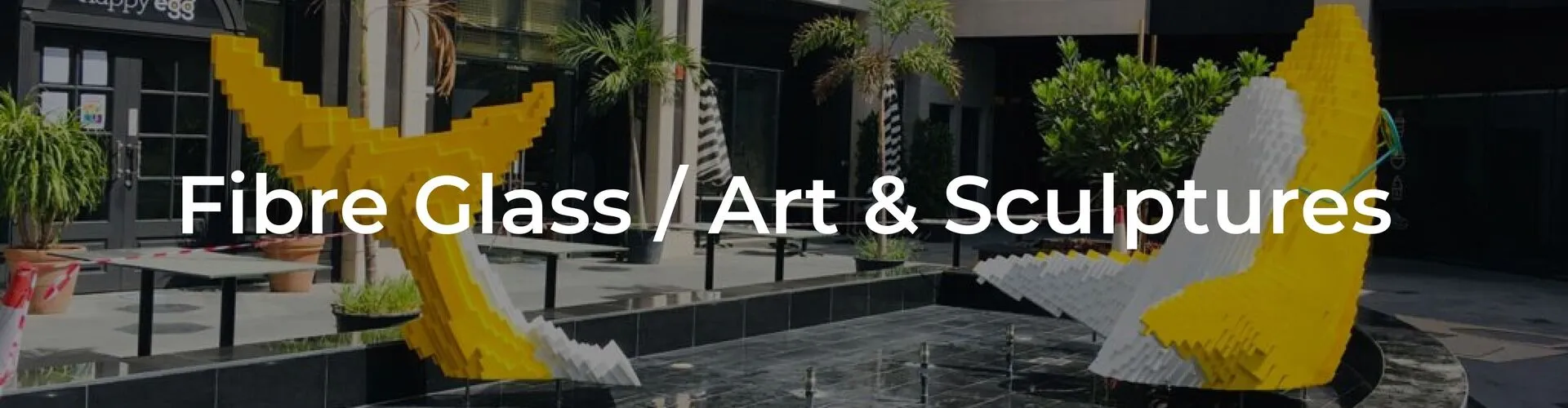
A sculpture’s material can affect everything from its weight and durability to its surface finish and suitability for large-scale designs. Fibreglass and resin are both widely used in sculptural work, but they offer different characteristics during fabrication and installation. Factors such as strength, flexibility, detailing, weather resistance, and maintenance can all affect the final choice.
A closer comparison can help clarify where each material works best and why fibreglass sculpture fabrication remains a valuable option for demanding artistic projects.
Understanding fiberglass sculptures
Fiberglass combines fine glass fibers with a resin binder to produce a lightweight, durable material. Artists and manufacturers use it to create sculptures with intricate details, smooth surfaces, and impressive dimensions. Its excellent strength makes it suitable for outdoor installations, commercial displays, and large decorative figures.
Fiberglass also resists moisture and handles changing weather conditions when manufacturers apply suitable protective coatings. Its lightweight structure simplifies transportation, installation, and repositioning. Artists appreciate its flexibility because they can produce complex shapes without adding excessive weight to the finished sculpture.
Exploring resin sculptures
Resin sculptures use synthetic resin as their primary material, sometimes combined with pigments, fillers, or other additives. Artists favour resin for its smooth finish, fine details, and ability to capture delicate features. This material suits decorative ornaments, miniature figures, artistic models, and indoor displays.
Clear resin also allows artists to experiment with transparent effects, colourful layers, and embedded decorative elements. However, solid resin pieces can become heavy, particularly when artists produce large sculptures. Some resin formulations also require additional protection against sunlight and temperature changes.
Comparing strength and durability
Fiberglass generally offers greater structural strength relative to its weight, making it suitable for large installations and outdoor sculptures. Its reinforced construction helps resist impacts and everyday wear. Resin provides excellent detail and surface quality, though its strength varies with the formulation and manufacturing process.
Large solid resin sculptures may crack under excessive pressure. Fiberglass offers a practical choice for projects that involve frequent handling, transportation, or outdoor exposure, while resin suits smaller decorative pieces.
Choosing the right material
The ideal material depends on the sculpture’s size, design, location, and intended use. Fiberglass suits large promotional figures, architectural decorations, garden statues, and commercial installations.
Resin works well for intricate ornaments, collectible figures, and artistic displays that prioritize fine details. Budget also influences the decision, as labor, mold preparation, finishing, and protective coatings affect the final cost. Discussing project requirements with an experienced manufacturer can help artists select suitable materials.
