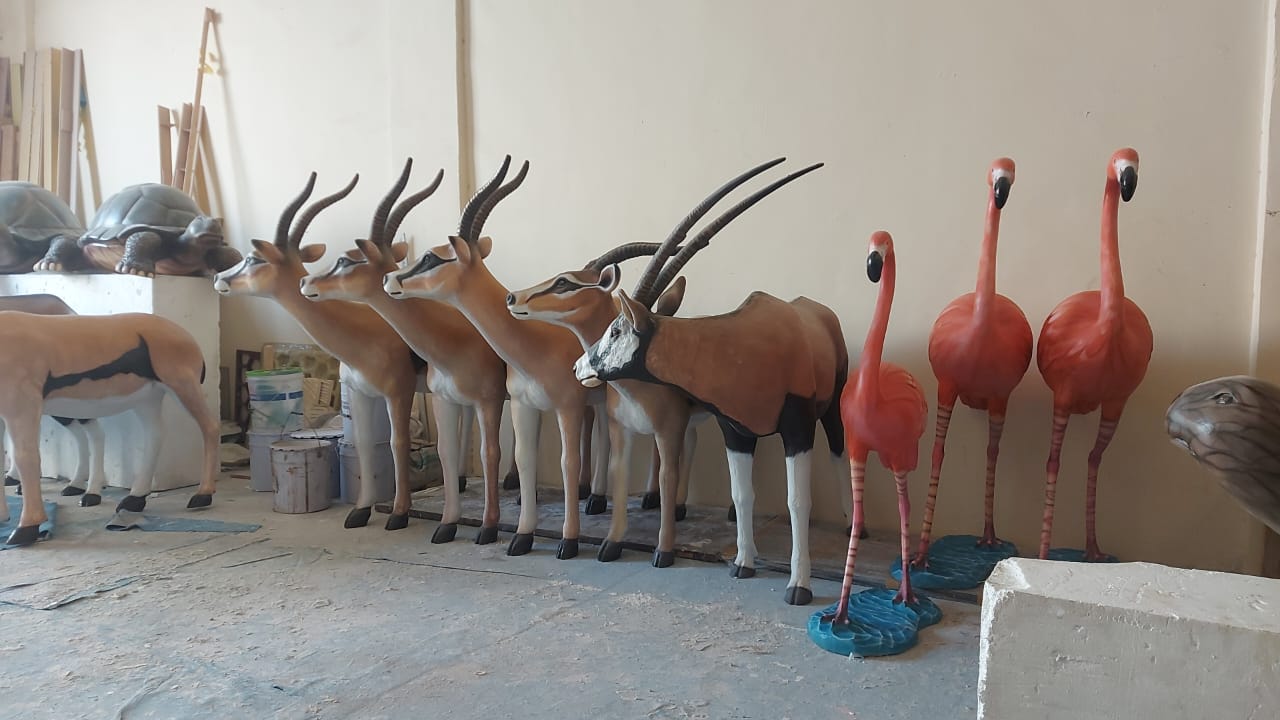
Creating a fiberglass sculpture involves several cost factors, from design and materials to finishing and installation. Each project has its own budget based on size, detail, and production methods. Buyers get clearer cost estimates by understanding these elements before placing an order.
This guide explains the main expenses and shows how fiberglass sculptures manufacture affects the final price.
Design and concept development
The design stage sets the foundation for the total project cost. Simple sculptures with basic shapes usually take less design time, while detailed figures, custom characters, and artistic forms involve additional work. Designers may use sketches, reference images, or digital models to prepare an accurate concept. Custom dimensions and special visual features also add to design fees.
Materials and raw fiberglass
Fiberglass forms the core material for these sculptures, while resin, fillers, reinforcement layers, and surface compounds support production. Material costs rise with sculpture size, thickness, and structural demands. Large outdoor pieces consume greater quantities of fiberglass and resin. Premium-grade materials also increase the quotation, especially when the sculpture must handle outdoor exposure or frequent public contact.
Mold making and fabrication
Manufacturers usually prepare a mold before producing the final sculpture. Complex designs demand detailed mold work, which adds labor and production time. Large pieces may also require multiple mold sections for assembly. Skilled technicians shape, reinforce, and join each section to achieve the intended form. These fabrication stages form a major part of the manufacturer’s overall quotation.
Finishing and surface work
The final appearance has a direct effect on cost. Smooth surfaces, metallic finishes, textured effects, custom colors, and artistic painting all involve different levels of labor. A basic painted finish keeps expenses lower, while hand-painted details add production hours. Protective coatings may also increase the price, especially for sculptures placed outdoors or in busy commercial areas.
Size and installation costs
Size influences both manufacturing and installation expenses. A small decorative sculpture usually requires fewer materials and simpler handling equipment. Large installations may involve internal reinforcement, sectional assembly, transportation, lifting equipment, and professional installation. Location also affects the final quotation because difficult access or long-distance delivery adds logistical expenses.
Custom features and project quantity
Special requests can raise the total price. Logos, branded characters, unusual dimensions, lighting elements, internal frames, and interactive components require extra fabrication work. Quantity also affects pricing. Manufacturers may offer different rates for multiple identical sculptures because one approved design can support repeated production with fewer setup costs.
