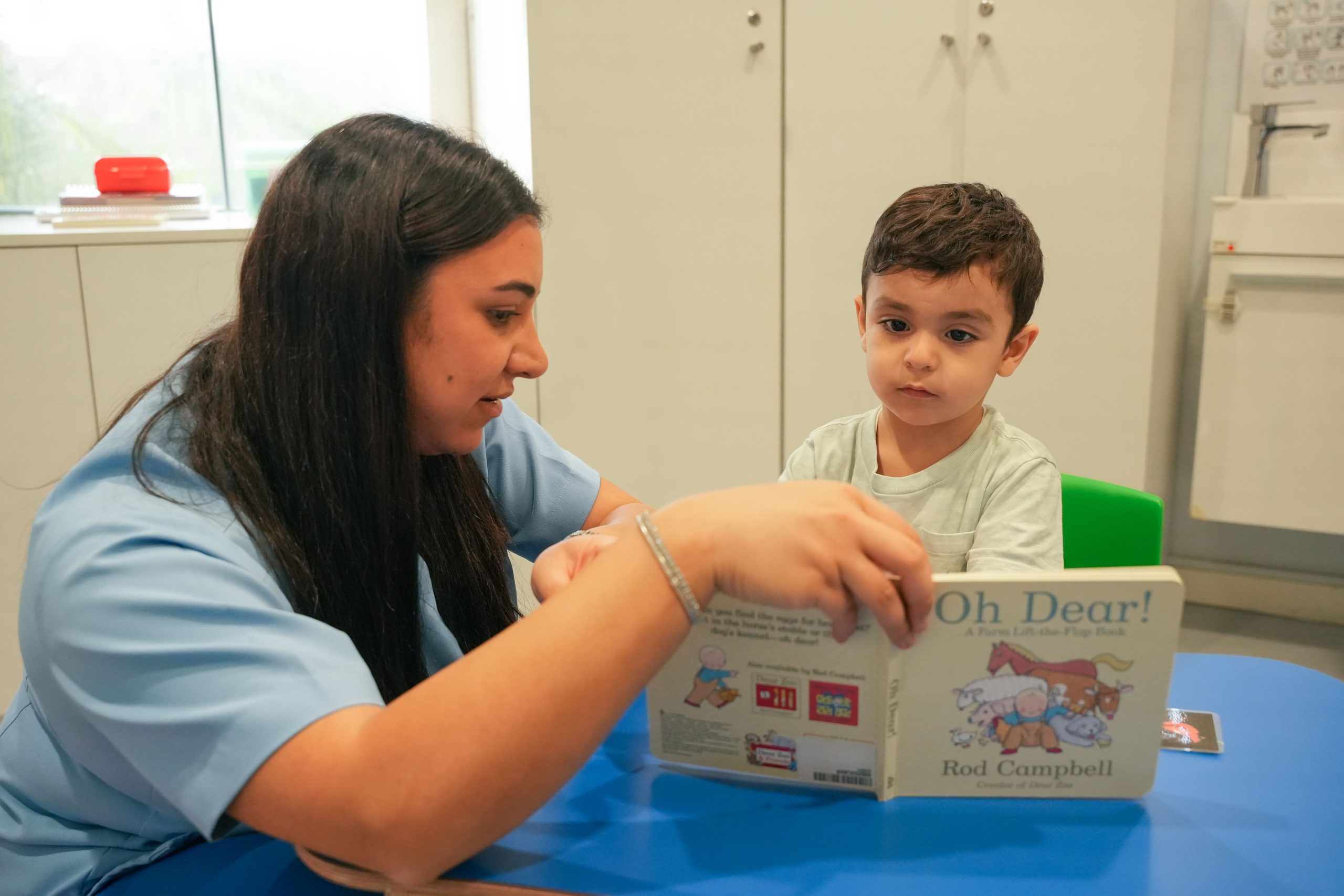
A child who refuses to repeat a physical exercise might happily spend twenty minutes jumping over colourful obstacles or chasing a ball. That is the advantage of play-based physiotherapy: it turns movements that build strength, balance, coordination, and flexibility into activities children genuinely enjoy.
Instead of feeling like another treatment session, exercise becomes an opportunity to play, explore, and achieve small milestones. This guide shares engaging activities that can make pediatric physiotherapy Dubai more enjoyable while supporting children’s physical development.
Animal walks build strength
Animal walks turn basic strengthening exercises into imaginative games. Children can crawl like bears, hop like frogs, waddle like penguins, or move like crabs. Each movement works different muscle groups while encouraging coordination and balance. Therapists adjust the distance, speed, or movement pattern according to each child’s abilities.
Ball games improve coordination
Rolling, catching, kicking, and throwing games give children simple reasons to move their bodies. A therapist may place targets around the room and encourage children to hit each target with a ball. These activities support hand-eye coordination, balance, leg strength, and motor control. Changing target positions also encourages children to adjust their movements during play.
Obstacle courses encourage movement
A colourful obstacle course turns a therapy room into an exciting activity zone. Children may step over soft blocks, crawl through tunnels, walk across balance equipment, or move around cones. Each section targets specific physical skills while keeping the session varied. Therapists modify the course according to strength, coordination, mobility, and confidence.
Bubble games support reaching skills
Bubbles add a playful reason to stretch, reach, squat, stand, and move. A therapist can blow bubbles at different heights or positions, encouraging children to reach across their bodies or shift weight between their feet. The activity supports balance, visual tracking, coordination, and upper body movement. Children stay engaged because each movement leads toward a fun target.
Music games encourage rhythm
Music can make repetitive movement practice feel lively. Children may march, clap, dance, step, or perform simple movements when the music starts and stops. Rhythm supports timing and coordination while encouraging active participation. Therapists can select songs that match the child’s age and interests, then adjust movement patterns according to individual therapy goals.
