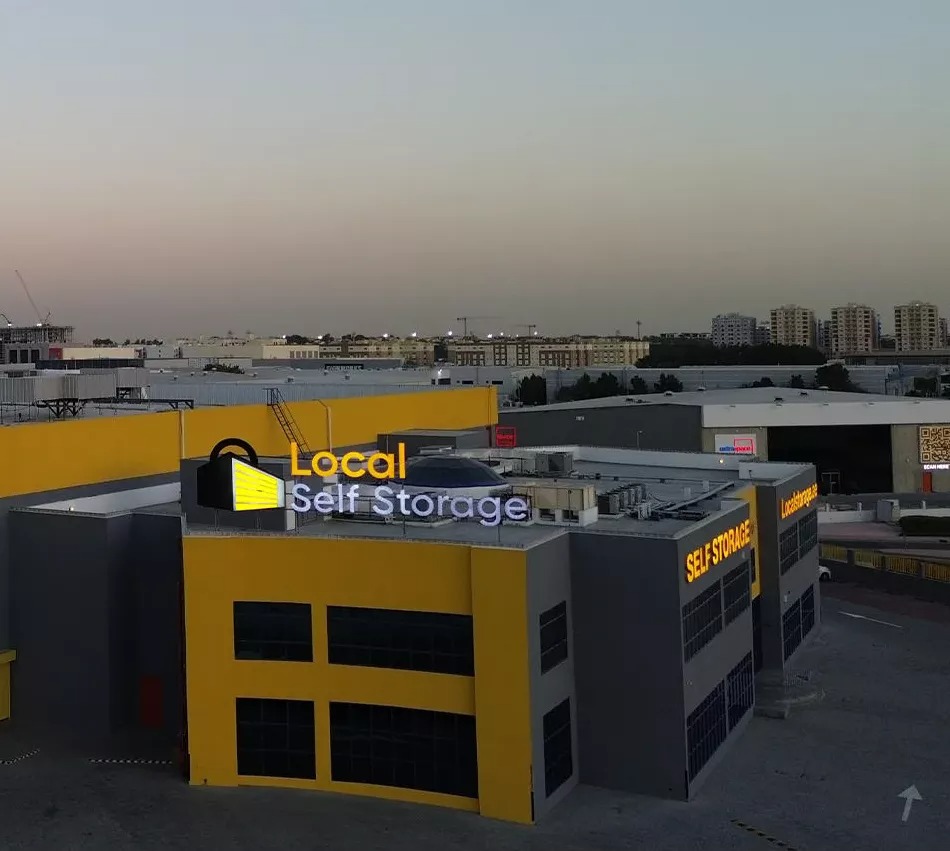
Finding the right amount of storage space isn’t always as simple as estimating how many boxes you have. Furniture, seasonal items, future storage needs, and easy access all play a role in choosing the ideal unit. Renting too much space can cost you extra, while too little can create unnecessary hassle.
Here’s how to determine how much storage space for rent you actually need before signing a lease.
Know your cube count:
Storage facilities measure units in cubic feet, which represents the total volume available inside the space. Multiply length by width by height to understand what fits inside a particular room. A 5×5 unit offers 25 square feet of floor area, while a 10×10 unit provides 100 square feet of usable floor space. Visualizing these measurements helps match belongings to available room dimensions without unnecessary overflow.
List every single item:
Writing down every piece creates a clear picture of total volume before visiting any facility. Furniture, boxes, equipment, and vehicles all consume different amounts of floor and vertical space. A simple notebook or phone list prevents forgetting that old workbench or collection of seasonal decorations. This inventory becomes the foundation for selecting appropriate unit dimensions.
Consider vertical space usage:
Stacking boxes and furniture toward the ceiling multiplies available floor capacity within any given unit. Sturdy shelving units and uniform box sizes allow safe piling without crushing delicate possessions. Taller units accommodate more goods per square foot, reducing the total floor area needed. Strategic stacking turns a modest floor plan into a highly efficient storage solution.
Match unit size to item types:
Bulky furniture demands different space compared to boxes of books or clothing racks. A sofa and mattress set consumes floor area differently than dozens of small containers. Large appliances need room for walking access, while stacked boxes require only stable vertical support. Matching item categories to unit dimensions prevents overcrowding or wasted open space.
Plan for future additions:
Storage needs change over weeks and months as new purchases enter the picture or old items leave permanently. Leaving a small buffer zone inside the unit accommodates unexpected additions without requiring a second rental contract. That extra corner might hold holiday decorations acquired next season or tools for an upcoming home project. Planning ahead avoids the hassle of transferring goods between multiple facilities.
