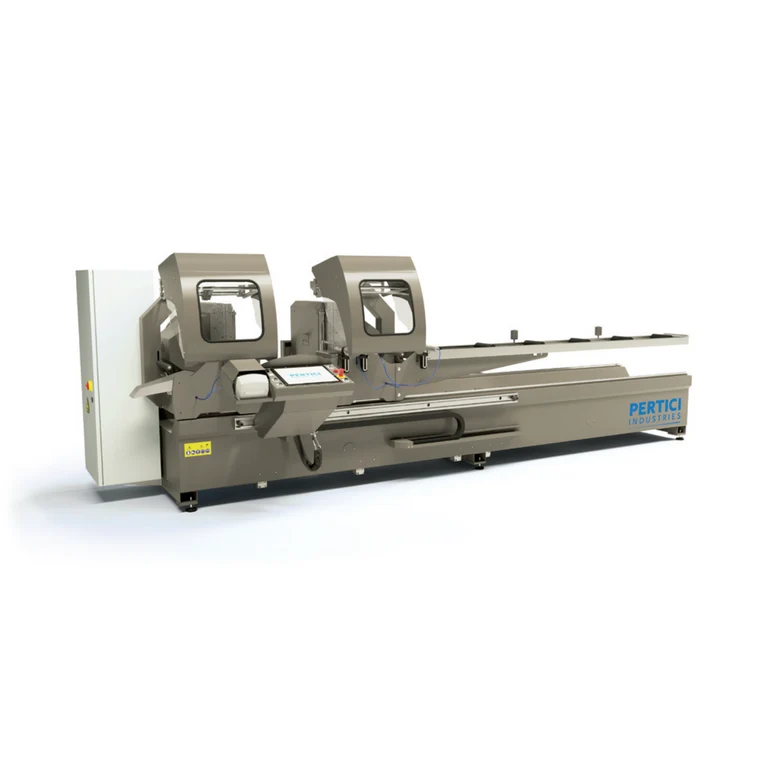
Modern manufacturing demands speed, accuracy, and consistent results. Aluminum remains popular because it’s lightweight, strong, and resistant to rust. However, the cutting process has a major effect on the final product.
Advanced machines give manufacturers tighter control over every cut, helping them reduce waste, improve output, and handle detailed designs. These benefits become clear when companies use CNC aluminum cutting as part of their production process.
Cleaner cuts with less waste
CNC machines follow programmed measurements with high accuracy. This control helps reduce mistakes during aluminum cutting. Manufacturers get clean edges and accurate dimensions across repeated parts. Less scrap material also helps lower production costs. Teams spend fewer resources correcting poor cuts or replacing damaged pieces.
Better results on complex designs
Aluminum parts can include curves, holes, slots, and detailed shapes. Manual tools can struggle with these designs. CNC equipment handles complex patterns with consistent movement. Manufacturers can produce detailed components while keeping measurements within tight limits. This benefit supports industries that produce machine parts, frames, panels, and custom components.
Faster production cycles
Production speed has a direct effect on daily output. CNC machines perform cutting tasks with steady movement and programmed settings. Operators spend less time measuring each piece by hand. Once the program runs correctly, the machine repeats the same cutting sequence across a batch. This setup helps factories process larger orders within shorter production schedules.
Lower labor pressure
CNC cutting reduces the amount of manual work involved in repeated cutting tasks. One operator can monitor machine activity, inspect finished parts, and handle basic adjustments. Staff members can focus on quality checks and other production duties. This setup helps factories use their workforce more effectively without sacrificing precision.
Stronger consistency across batches
Consistency matters when manufacturers produce hundreds or thousands of similar parts. Small measurement differences can cause problems during assembly. CNC equipment follows the same digital instructions for each piece, helping maintain uniform dimensions. Consistent parts fit together properly and reduce delays during later production stages.
Better control over production costs
Material waste, labor time, cutting errors, and rework all affect manufacturing expenses. CNC aluminum cutting helps control these factors by improving accuracy and repeatability. Manufacturers also gain better production data from digital programs and machine settings. This information helps teams review performance, adjust processes, and control spending.
