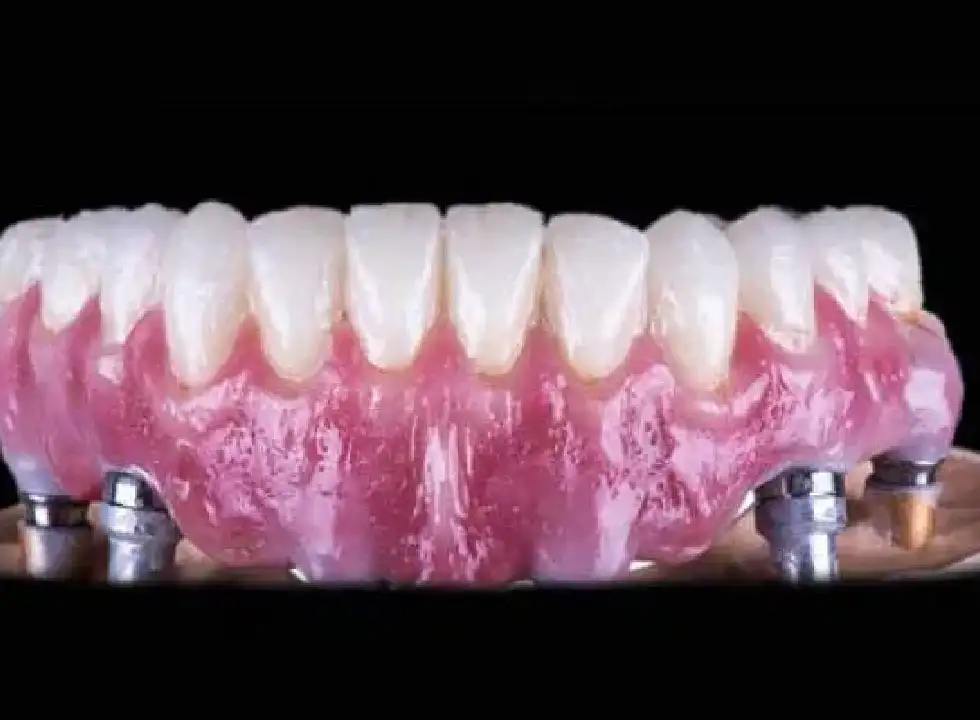
The recovery phase after getting veneers involves specific sensations and simple care routines that directly affect the final outcome of the new dental work. Patience during these initial days allows the mouth to settle and the veneers to bond firmly with the natural tooth structure. The guidelines provided by the American dental Abu Dhabi clinic are a reliable framework for this transitional time.
Day one and two – Initial sensitivity:
The first forty-eight hours often bring mild sensitivity to temperature changes or slight pressure on the new veneers. This reaction occurs because a thin layer of enamel received preparation, and the bonding material needs time to set completely. Soft foods at room temperature feel most comfortable during this short phase. Avoiding extremely hot coffee or ice-cold drinks prevents sharp twinges. The mouth adjusts quickly, and this temporary sensation fades as the teeth adapt to their new covering.
The first week – Eating with care:
Chewing habits require a gentle approach for about seven days after receiving veneers. Hard candies, crunchy vegetables, or tough meats place unnecessary stress on the fresh bond between the veneer and the tooth. Cutting food into smaller pieces reduces the workload on the front teeth. Sticky sweets or chewy breads can pull at the edges of the new restorations. Choosing softer meal options like pasta, scrambled eggs, or yogurt supports the healing process. This careful eating pattern protects the investment in the smile.
Oral hygiene adjustments:
Cleaning routines stay similar to normal practices, yet a few modifications help during recovery. A soft-bristled toothbrush prevents gum irritation around the new veneer margins. Flossing requires extra attention to slide gently between teeth without snapping against the edges. Rinsing with warm salt water soothes any gum tenderness that appears after the procedure. This daily practice removes plaque without disturbing the bonding agents. Consistent, gentle cleaning keeps the gums healthy and the veneers secure.
Managing gum tissue response:
The gums around new veneers often show mild redness or puffiness for a few days. This reaction happens because the tissue is carefully manipulated during placement. Rinsing with an antibacterial mouthwash helps control any minor inflammation. The gum line gradually adapts to the new shape of the veneers, creating a natural seal. This tissue settles within a week, revealing a comfortable and healthy appearance. Monitoring gum color and texture provides useful feedback about proper healing.
