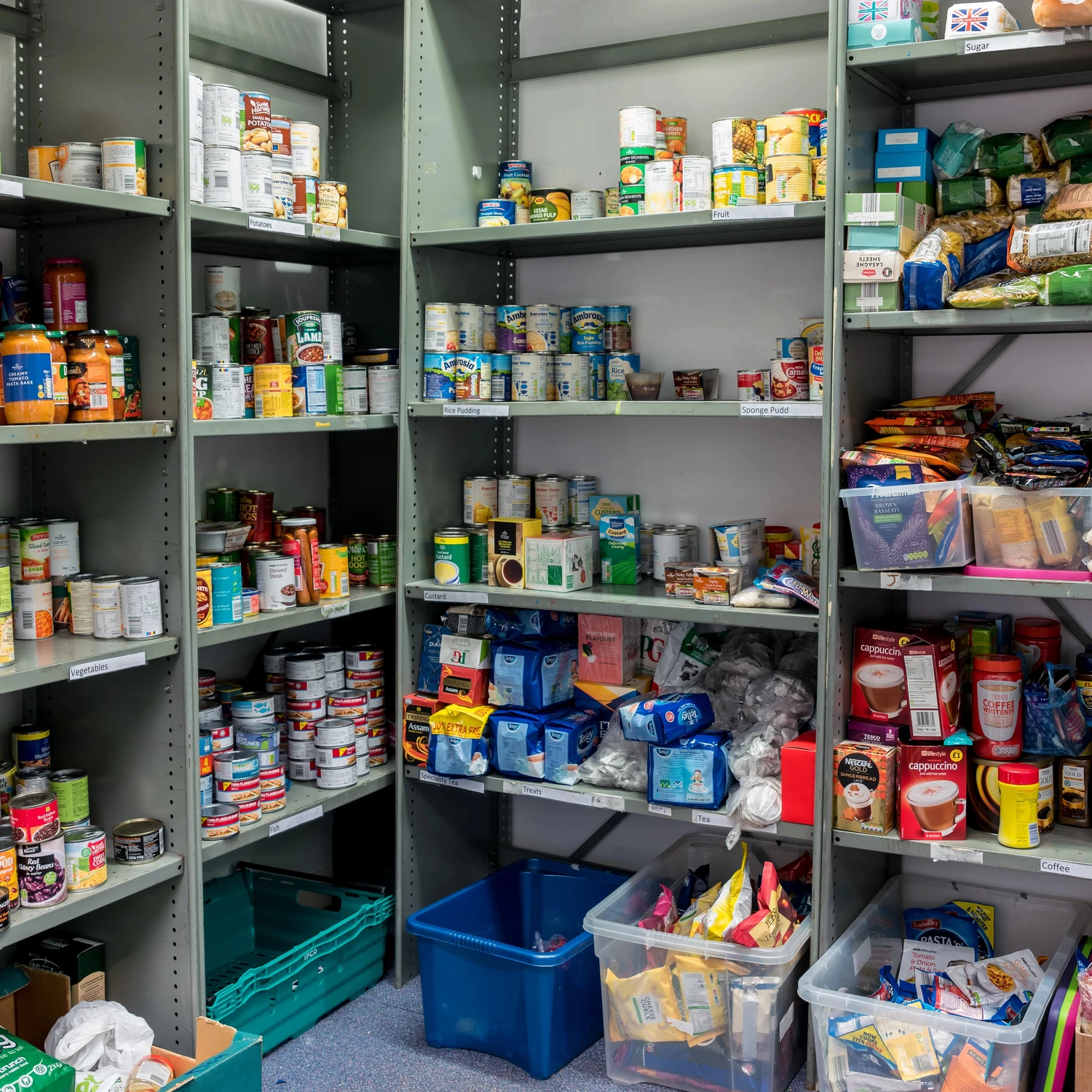
An office pantry can go through coffee, tea, snacks, cups, tissues, and cleaning products surprisingly quickly. Without a clear idea of what employees actually use, it is easy to run out of popular essentials or keep buying items that barely get touched.
A simple consumption tracking system gives businesses a clearer picture of pantry habits, making it easier to plan purchases, control spending, and keep everyday essentials and pantry supplies Dubai available when they are needed.
Check stock regularly
Start with a simple stock check at set times each week. Record the quantity of coffee, tea, snacks, bottled drinks, sugar, cups, and other pantry items. Compare the current count with the previous record. This gives managers a clear picture of how quickly each product leaves the shelf.
Track daily usage
A daily usage sheet provides useful details. Staff members or pantry teams record items taken from storage during the day. Digital spreadsheets also work well for this task. Add columns for product names, opening stock, new deliveries, closing stock, and total usage. This simple format makes changes easy to spot.
Identify popular items
Usage records show which products employees prefer. Coffee may disappear quickly, while certain snacks may remain untouched for weeks. Group items into high, medium, and low usage categories. This helps purchasing teams focus their budget on products with strong demand while reducing orders for slow-moving stock.
Watch seasonal changes
Office pantry habits may change during different months. Cold drinks may see higher demand during warm weather, while hot beverages may gain popularity during cooler periods. Holiday schedules, office events, and changes in staff attendance also affect consumption. Record these patterns so future orders match expected workplace activity.
Set practical reorder levels
Set a minimum stock level for each important item. When the quantity reaches that level, add the product to the next order. Fast-moving products may require higher reorder levels, while slow-moving products can use lower limits. This system helps prevent empty shelves and reduces excess stock.
Review records each month
Monthly reviews turn daily numbers into useful insights. Compare total usage, spending, and leftover stock for each product category. Look for sudden increases or drops in consumption. Discuss unusual changes with office teams to find the reason behind them. Regular reviews also help improve future purchasing decisions.
